Neurophysiological market intelligence

Welcome to the first agentic AI trading brain.

Modeled on human neurophysiology, specialized sensory, memory, learning, reasoning, and synthesis systems operate as one transparent market-intelligence brain.

  • Market perception
  • Multi-timeframe data analysis
  • Pair-local memory
  • Pain-reward learning
  • Profit intelligence
  • Cognitive reasoning
  • 56 directional pathways
  • Central synthesis
01 / Multi-timeframe sensory cortex Market perception

Perceives structure across five time horizons.

D1 and H4 establish regime and context. H1 resolves phase. M15 and M5 encode onset, sequence, age, duration, and persistence.

02 / Pair-local memory cortex Pair-local memory

Maintains twenty-eight bounded market memories.

Each currency pair learns inside an isolated cortex. Chronology and causal evidence remain pair-specific until central synthesis.

03 / Limbic pain-reward circuit Pain-reward learning

Learns from pain, reward, and realized outcomes.

Reward reinforces useful policies. Pain records adverse outcomes. Reinforcement updates value while immutable journey facts remain intact.

04 / Prefrontal decision cortex Cognitive reasoning

Converts evidence into constrained reasoning.

Physiology, causal interpretation, risk, and economic context pass independent gates before an action can reach the decision boundary.

05 / Thalamic synthesis nucleus Central synthesis

Synthesizes fifty-six directional pathways.

Independent buy and sell pathways converge inside one coordinating nucleus while pair-local memory, chronology, and evidence remain intact.

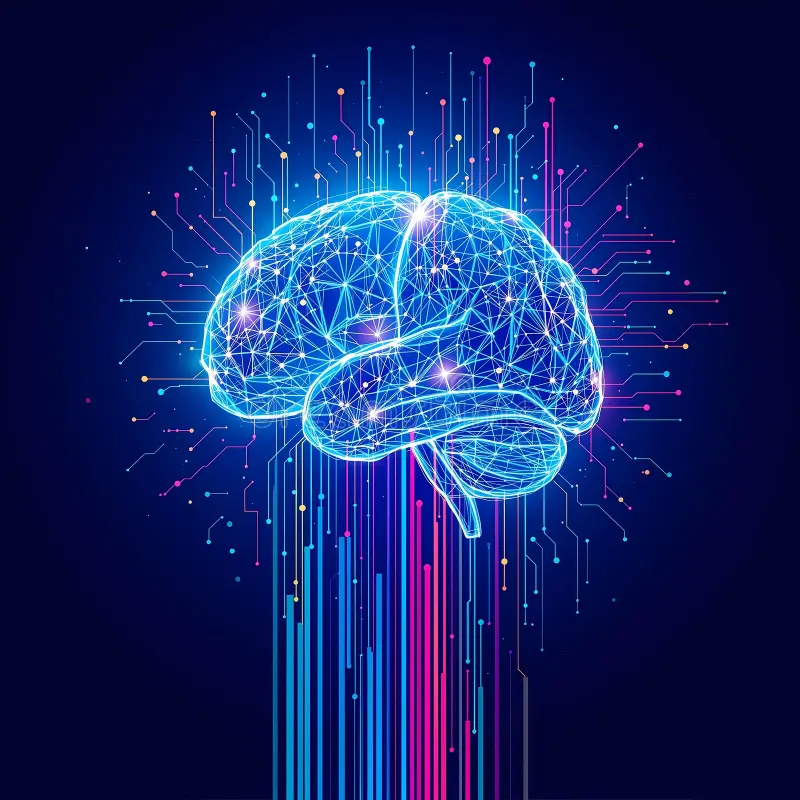
Architecture visualization only. It does not represent a return projection or trading guarantee.

Quant FX Capital uses 28 independent pair-local brains and 56 directional observation lanes. Ordered market journeys flow from multi-timeframe observation through pair cortex memory to a centralized nucleus, while factual physiology, interpretation, and economics remain separate gates.